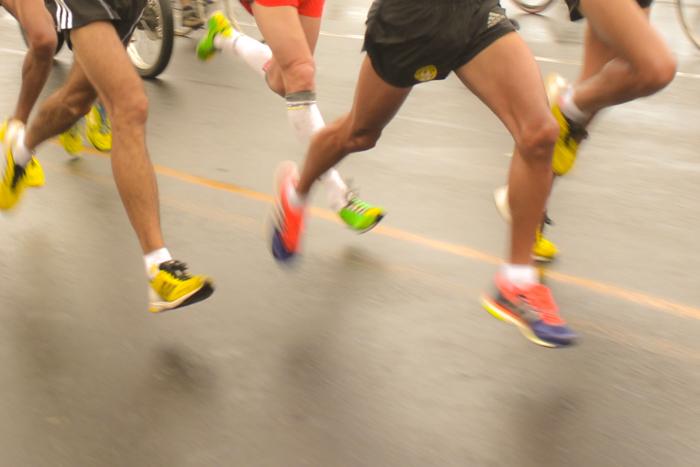
Nearly 4,000 people will take to the streets of Tamarindo in just a few hours in pursuit of their goal: 5k, 10k, 21k, 30k, or the full marathon. Although all distances start before 5:20 a.m., they will face hostile conditions once the sun rises and humidity reaches 90%. But that's what training is for, and adversity gives a special flavor to victory. Here are five valuable tips to help you conquer Tamarindo:
1. Break the task into parts. If you're going to run 21k, don't think about 21k. Think about shorter chunks of 5k or 4k, and work toward those small goals instead of thinking about the ENTIRE route, which can seem overwhelming. Thinking about small goals fills us with motivation in the moment and lightens the load we carry.
2. Turn the negative into positive. We all go through ups and downs during a race, and we all face negative thoughts at some point: "I'm so tired," "I have so much left," "I can't take it anymore," etc. But the key is to immediately change that negative phrase into a positive one: "but I'm doing well," "yes I can do it," "this is what I trained for," or any other phrase that immediately crushes the negative idea. Studies have shown that positive reinforcement during the race significantly influences athletic performance, so keep a positive mindset at all times.
3. Constant hydration. In hot climates, staying well hydrated is key. Splashing cold water on your neck and head will also help you combat the heat that will inevitably build up as the minutes pass. Arrive well hydrated at the starting line and don't wait until you're thirsty to hydrate. It's much better to take 3-4 small sips of water or sports drink every 15 or 20 minutes than to drink the whole bottle when you're already dehydrated. Don't overdo it either, as arriving bloated with liquid will negatively affect you. Just listen to your body and hydrate as you feel comfortable.
4. Attack the hills. Because not everything is flat. Just in the first 4k there are three hills—not very long, but you'll feel them. Maintain your stride frequency by shortening your steps on the hill, and use your arms to help. Don't try to maintain the pace you had on flat ground; instead, try to maintain the intensity. For example, if you were comfortable at 80% effort, don't jump to 100% on the hill—maintain that 80% effort even if your speed drops a bit. And attack the hill mentally; instead of shrinking and thinking "ugh, this climb is hard," tell yourself "let's go! this little hill is short, I can do it." Or something like that.
5. Start controlled. Probably the most common mistake among runners is starting too fast in races. And in Tamarindo the mistake costs double, because in addition to the fatigue we generate in that premature start, the heat gradually crushes us. Run smart. It's fine to get excited at the beginning—our hearts all race and we feel butterflies just before the start—but save that energy for the toughest moments of the race, which will surely be the last ones. Run the first kilometer at your target pace or at most 10 seconds per kilometer faster, but no more. If your goal is to complete the half marathon in 2:05:00, for example, your target pace is 5:55 minutes per kilometer. Try to run the first kilometer at that pace or at most at 5:45/km.
And most importantly: enjoy the race to the fullest. Sometimes we forget that it's a privilege to be there, to have good health, and to undertake this effort to achieve our goal. So keep a positive mindset and let's go forward.